








Introduction
Brass has been an important material in Indian craftsmanship for centuries. Known for its golden appearance, corrosion resistance, and durability, brass continues to be one of the most popular metals used in luxury home décor and table accessories. Among these products, handmade brass napkin holders have become increasingly popular across hotels, restaurants, event companies, gift retailers, and premium home décor brands.
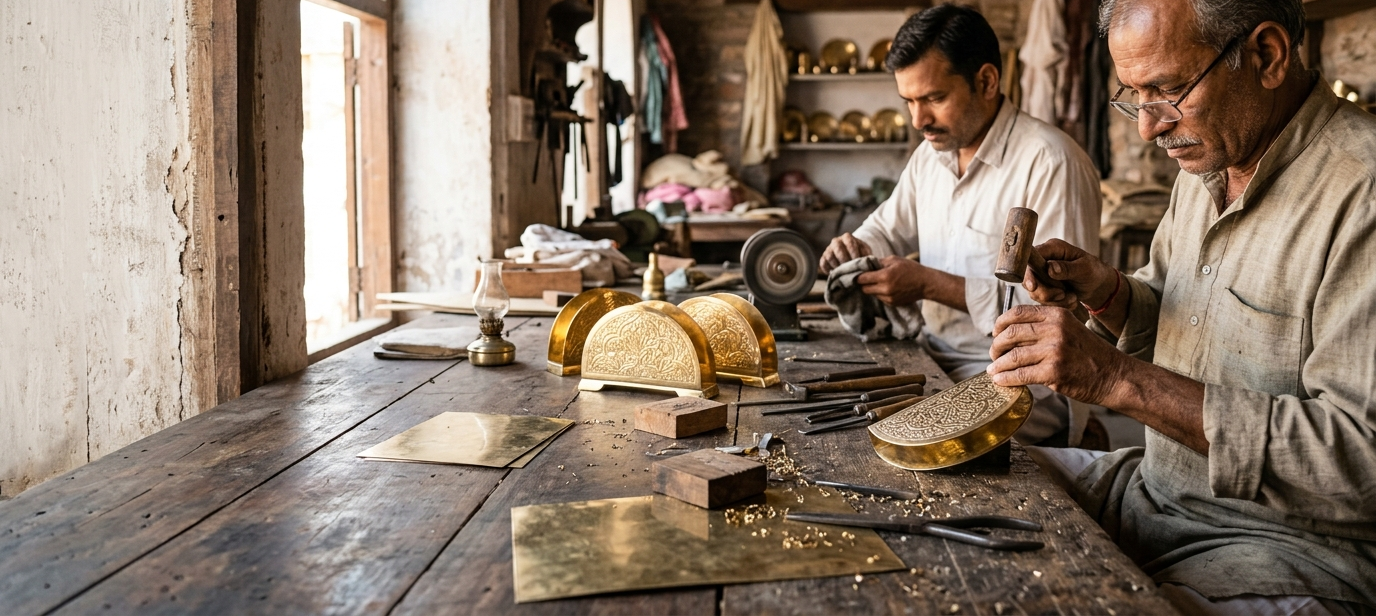
Unlike machine-made products that often lack individuality, handcrafted brass napkin holders showcase the skill, precision, and creativity of experienced artisans. Every piece reflects traditional craftsmanship while meeting modern quality standards expected by global buyers.
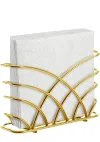
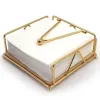
For importers and wholesale distributors, handcrafted brass napkin holders represent a product category that combines premium aesthetics with reliable functionality. Their timeless appeal allows them to fit both traditional and contemporary table settings, making them suitable for a wide range of international markets.
Why Brass Is an Ideal Material for Napkin Holders
Before understanding the manufacturing process, it is important to know why brass remains one of the preferred materials for premium napkin holders.
Exceptional Durability
Brass is considerably stronger than many decorative metals commonly used in table accessories. A well-crafted brass napkin holder maintains its structure for years, even with frequent handling in restaurants, hotels, and hospitality environments.
Elegant Appearance
The warm golden finish of brass instantly enhances dining tables and decorative settings. Whether polished to a mirror shine or finished with an antique texture, brass creates a sophisticated visual appeal appreciated by luxury buyers worldwide.
Excellent Workability
Brass is highly suitable for engraving, embossing, carving, and decorative detailing. This allows artisans to create unique handcrafted designs that are difficult to reproduce through automated manufacturing.
Corrosion Resistance
Compared with ordinary iron products, brass naturally resists rust and performs well under indoor conditions. With proper maintenance, handcrafted brass napkin holders retain their beauty for many years.
Traditional Indian Brass Craftsmanship
India has a long history of brass craftsmanship that dates back several centuries. Skilled artisan communities have preserved traditional metalworking techniques through continuous practice and family heritage.
Modern brass manufacturers combine these traditional skills with improved production methods, enabling them to produce products that satisfy international quality standards while maintaining handcrafted authenticity.
This balance between heritage and modern manufacturing makes Indian brass products highly competitive in export markets across North America, Europe, the Middle East, Australia, and Asia.
Step 1: Selecting Premium Brass Raw Material
The quality of every handcrafted brass napkin holder begins with selecting high-grade brass.
Experienced manufacturers carefully source brass with the appropriate composition to ensure:
- Superior strength
- Long-term durability
- Smooth finishing
- Consistent color
- Excellent polishing characteristics
- Reliable dimensional stability
Using quality raw materials helps reduce manufacturing defects while improving the overall finish of the final product.
Manufacturers also inspect incoming raw materials before production to ensure consistency across wholesale orders.
Step 2: Designing the Napkin Holder
Every handcrafted product starts with a carefully prepared design.
Design teams develop concepts based on:
Modern Table Décor Trends
Many buyers prefer minimalist brass napkin holders that complement modern dining interiors.
Traditional Patterns
Floral engravings, heritage motifs, geometric carvings, and cultural designs remain highly popular among luxury décor retailers.
Custom Designs
B2B buyers often request customized shapes, logos, branding elements, dimensions, or exclusive collections that reflect their brand identity.
Design planning ensures that the finished product meets both aesthetic and functional requirements before manufacturing begins.
Step 3: Brass Casting Process
Once the design is finalized, skilled craftsmen begin shaping the brass.
Depending on the design complexity, manufacturers may use traditional casting methods combined with manual finishing techniques.
Molten brass is carefully poured into prepared molds that capture the desired shape and proportions.
After cooling, the cast components are removed and inspected for:
- Surface quality
- Shape accuracy
- Structural integrity
- Dimensional consistency
Any excess material created during casting is removed before the next stage begins.
This initial casting stage creates the foundation upon which artisans perform the detailed handcrafted work that gives each brass napkin holder its distinctive appearance.