Understanding the Pearl Necklace Manufacturing Process
The pearl necklace manufacturing process is a combination of precision, artistry, and quality control. Every pearl necklace undergoes multiple stages before reaching international retailers and wholesalers. Whether designed for luxury boutiques, fashion brands, bridal collections, or private-label jewelry businesses, manufacturers focus on consistency, durability, and aesthetic appeal.
Professional manufacturers combine handcrafted techniques with modern production equipment to create necklaces that meet global quality standards while accommodating bulk orders and custom designs.
Step 1: Selecting High-Quality Pearls
The manufacturing journey begins with selecting pearls that match the required design and market preferences.
Manufacturers typically work with:
- Freshwater pearls
- Cultured pearls
- Natural shell pearls
- Imitation pearls (for fashion jewelry)
Each pearl is evaluated based on:
Shape
- Round
- Near-round
- Oval
- Baroque
- Button
- Drop
Surface Quality
Smooth surfaces with minimal imperfections are preferred for premium collections.
Luster
Higher luster creates greater visual appeal and enhances the necklace's value.
Color Matching
Pearls are carefully matched for uniformity in:
- White
- Cream
- Pink
- Lavender
- Golden
- Black
- Multi-color combinations
Step 2: Pearl Grading and Sorting
Before production begins, pearls are graded according to:
- Size
- Shape
- Color
- Surface quality
- Luster
- Consistency
Sorting ensures every necklace maintains a balanced appearance from clasp to clasp.
Premium wholesale manufacturers maintain strict grading systems to deliver consistent bulk orders.
Step 3: Designing the Necklace
Design development depends on customer requirements and market demand.
Popular wholesale designs include:
Classic Single Strand
Ideal for bridal jewelry and luxury retailers.
Multi-Strand Necklaces
Popular in fashion collections and statement jewelry.
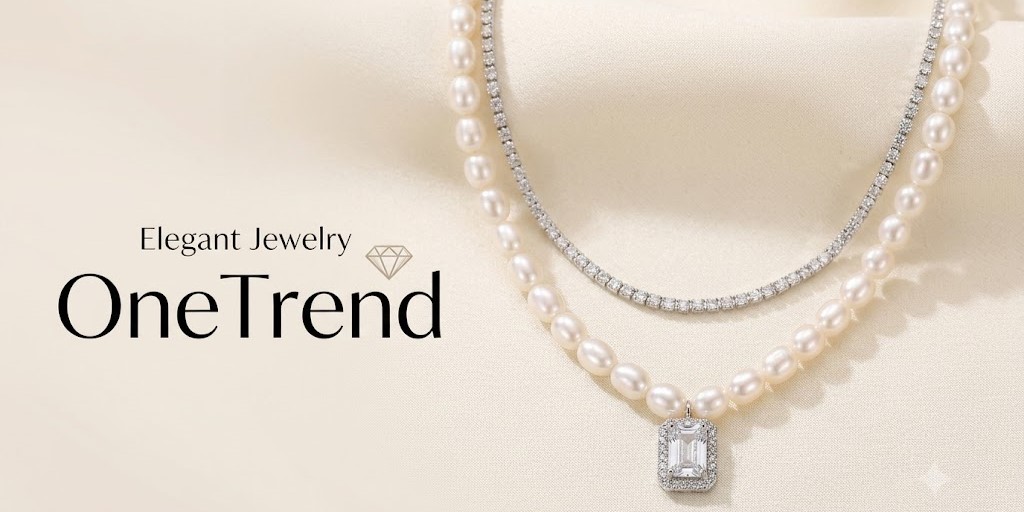
Layered Pearl Necklaces
Designed for modern consumers seeking contemporary styling.
Pearl and Stone Combination Necklaces
Often feature:
- Natural gemstones
- Semi-precious stones
- Crystal accents
- Brass elements
- Sterling silver components
Custom design services allow private-label brands to create exclusive collections.
Step 4: Drilling the Pearls
For pearls without pre-drilled holes, precision drilling is performed using specialized jewelry equipment.
Manufacturers focus on:
- Accurate hole placement
- Minimal material damage
- Smooth drilling finish
- Consistent alignment
Improper drilling can weaken pearls and reduce durability, making this one of the most critical stages of production.
Step 5: Stringing Techniques
Stringing is one of the most important stages in the pearl necklace manufacturing process.
Professional manufacturers use various methods depending on the necklace style.
Traditional Hand Knotting
Each pearl is individually knotted.
Benefits include:
- Prevents pearl friction
- Reduces wear
- Increases flexibility
- Prevents all pearls from scattering if the string breaks
This technique is commonly used in premium pearl necklaces.
Silk Thread Stringing
High-quality silk thread remains the preferred choice for luxury pearl jewelry because of its strength and flexibility.
Nylon Thread Stringing
Fashion jewelry manufacturers often use durable nylon for affordability and long-term wear.
Wire Stringing
Metal wire is commonly used in contemporary designs featuring gemstones and decorative spacers.
Step 6: Adding Clasps and Findings
The clasp not only secures the necklace but also enhances its appearance.
Popular wholesale options include:
- Lobster clasps
- Magnetic clasps
- Toggle clasps
- Hook clasps
- Box clasps
- Spring ring clasps
Depending on customer requirements, manufacturers may use:
- Brass
- Stainless steel
- Sterling silver
- Gold-plated components
- Copper alloys
Step 7: Quality Inspection
Reliable manufacturers perform multiple quality checks before packaging.
Inspection includes:
Pearl Matching
Ensuring consistency in:
- Color
- Size
- Shape
- Finish
String Strength Testing
The necklace is tested for durability under normal usage conditions.
Clasp Functionality
Clasps are examined for:
- Secure locking
- Smooth operation
- Long-term durability
Finish Inspection
Quality inspectors verify:
- Knot spacing
- Surface cleanliness
- Thread visibility
- Overall symmetry
Step 8: Cleaning and Polishing
Finished necklaces undergo careful cleaning to remove:
- Dust
- Fingerprints
- Residue
- Manufacturing particles
Manufacturers use non-abrasive cleaning techniques that preserve the natural beauty of pearls.
Step 9: Packaging for Export
Export packaging protects necklaces throughout international transportation.
Professional packaging may include:
- Individual jewelry pouches
- Premium gift boxes
- Anti-tarnish packaging
- Bubble protection
- Barcode labels
- Private-label branding
- Export cartons
Secure packaging minimizes transit damage and improves customer satisfaction.
Manufacturing Techniques Used by Modern Pearl Necklace Suppliers
Leading manufacturers combine handcrafted expertise with modern production methods.
Handcrafted Production
Experienced artisans assemble each necklace manually, ensuring superior attention to detail.
Advantages include:
- Unique craftsmanship
- Premium finishing
- Better customization
- Luxury appeal
Semi-Automated Production
Machines assist with drilling, measuring, polishing, and quality consistency while artisans complete detailed assembly.
This approach balances efficiency with craftsmanship.
OEM Manufacturing
Original Equipment Manufacturing enables brands to create exclusive jewelry collections under their own brand names.
Services often include:
- Custom designs
- Logo engraving
- Packaging customization
- Product development
- Exclusive collections
Quality Standards Wholesale Buyers Should Consider
When sourcing pearl necklaces internationally, buyers should evaluate suppliers based on:
Material Quality
Ensure consistent pearl grading and reliable sourcing.
Manufacturing Expertise
Experienced artisans deliver superior craftsmanship and finishing.
Production Capacity
Manufacturers should meet both small and large-volume requirements without compromising quality.
Quality Assurance
Ask about inspection processes and defect rates.
Export Experience
Experienced exporters understand international documentation, packaging, and shipping requirements.
Advantages of Sourcing Pearl Necklaces from India
India is recognized globally for its rich heritage in jewelry craftsmanship and export excellence.
Benefits include:
Skilled Craftsmanship
Indian artisans combine traditional jewelry-making skills with contemporary designs.
Competitive Pricing
Efficient manufacturing and cost advantages help buyers maximize profitability.
Custom Manufacturing
Indian exporters offer OEM, ODM, and private-label services for businesses seeking exclusive collections.
Flexible Order Quantities
Manufacturers can accommodate both boutique retailers and high-volume distributors.
Reliable Export Infrastructure
Experienced exporters provide professional documentation, secure packaging, and timely international shipments.
Sustainability in Pearl Necklace Manufacturing
Global buyers increasingly prioritize responsible sourcing and environmentally conscious manufacturing.
Modern manufacturers are adopting:
- Eco-friendly packaging
- Waste reduction practices
- Responsible material sourcing
- Efficient production methods
- Durable designs that extend product life
These practices support evolving consumer expectations and strengthen brand reputation in international markets.
Why Partner with OneTrend for Wholesale Pearl Necklaces?
OneTrend is a trusted Indian manufacturer and exporter specializing in handcrafted jewelry and decorative products for global B2B buyers. With extensive experience in international trade, the company delivers high-quality pearl necklaces tailored to the needs of wholesalers, retailers, distributors, and private-label brands.
What OneTrend Offers
- Premium handcrafted pearl necklaces
- Custom OEM and private-label manufacturing
- Skilled artisan craftsmanship
- Competitive wholesale pricing
- Strict quality control
- Flexible bulk order quantities
- Customized packaging and branding
- Reliable export documentation
- Timely global shipping
- Dedicated customer support
Whether you are sourcing timeless classic pearl necklaces or creating an exclusive jewelry collection, OneTrend provides dependable manufacturing solutions that help businesses succeed in competitive international markets.
Conclusion
The pearl necklace manufacturing process reflects a blend of traditional artistry, precision engineering, and modern quality standards. From careful pearl selection and grading to expert stringing, finishing, inspection, and export packaging, every step influences the beauty and durability of the final product.
For international wholesalers, importers, retailers, and private-label brands, partnering with an experienced manufacturer ensures consistent quality, customization flexibility, and reliable supply. As global demand for handcrafted and sustainable jewelry continues to grow, sourcing pearl necklaces from trusted Indian exporters like OneTrend offers a strategic advantage for businesses seeking premium products, competitive pricing, and long-term wholesale partnerships.
Frequently Asked Questions (FAQs)
1. What is the pearl necklace manufacturing process?
The process includes pearl selection, grading, drilling, design development, stringing, clasp attachment, quality inspection, polishing, and export packaging.
2. Why is hand-knotting important in pearl necklaces?
Hand-knotting protects pearls from rubbing against each other, improves flexibility, and prevents all pearls from falling off if the thread breaks.
3. What materials are commonly used besides pearls?
Manufacturers often use brass, sterling silver, stainless steel, gold-plated components, copper alloys, gemstones, and crystal accents.
4. Can pearl necklaces be customized for private-label brands?
Yes. Many manufacturers offer OEM and private-label services, including custom designs, branding, packaging, and exclusive collections.
5. Why source pearl necklaces from India?
India offers skilled artisans, competitive manufacturing costs, flexible production capabilities, high-quality craftsmanship, and strong export expertise.
6. What quality checks should wholesale buyers expect?
Buyers should expect inspections for pearl grading, string strength, clasp functionality, finish quality, symmetry, and packaging integrity.
7. How are pearl necklaces packaged for international shipping?
They are typically packed in protective jewelry pouches or boxes, cushioned with anti-tarnish and shock-absorbing materials, and placed in export-grade cartons to ensure safe delivery.